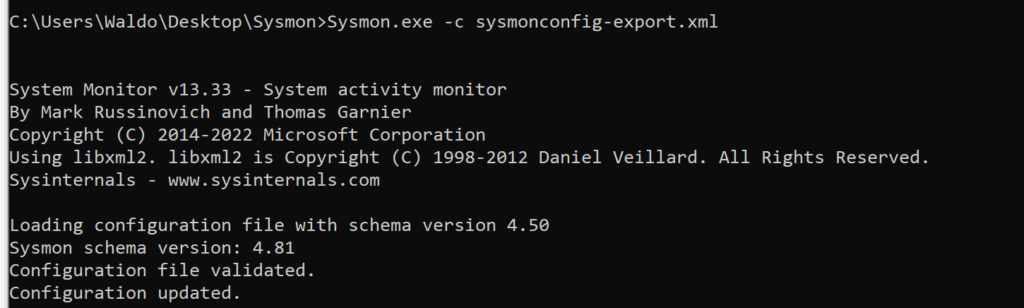
Project Intruduction I built a hands-on detection for DLL hijacking using Sysmon (module load events). I modified a production-grade Sysmon config, generated telemetry for an intentional calc.exe DLL hijack, analyzed Event ID 7 (ImageLoaded), extracted IOCs, and created reliable detection logic that distinguishes benign loads from malicious hijacks.
Objective
Detect DLL hijacking (where an attacker places a malicious DLL next to a legitimate executable) by leveraging Sysmon module load events (Event ID 7), and produce actionable IOCs and detection rules suitable for SIEM ingestion.
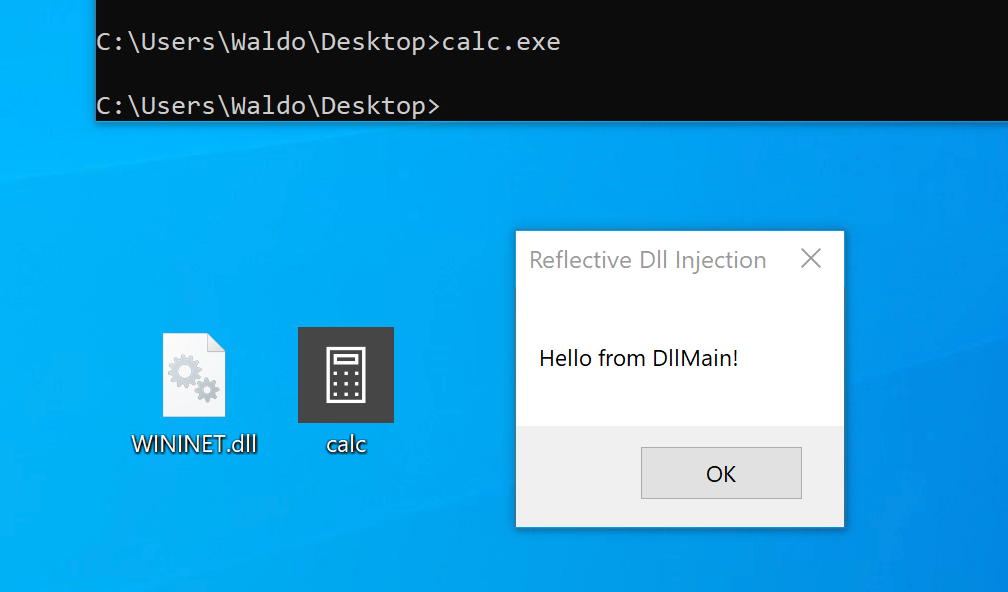
screenshot-04-poc-popup.png — popup from injected DLL
To simplify the process, i utilized Stephen Fewer's "hello world" reflective DLL. It should be noted that DLL hijacking does not require reflective DLLs.
4) Analyze logs and derive IOCs
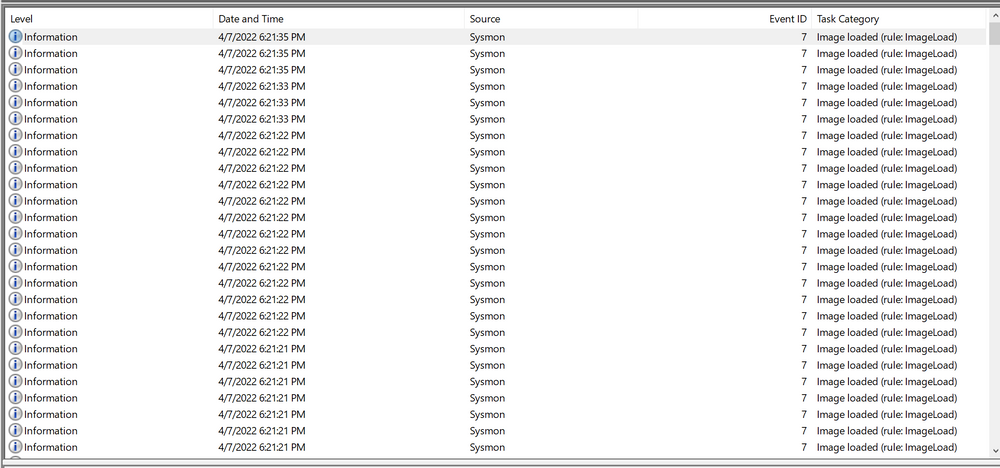
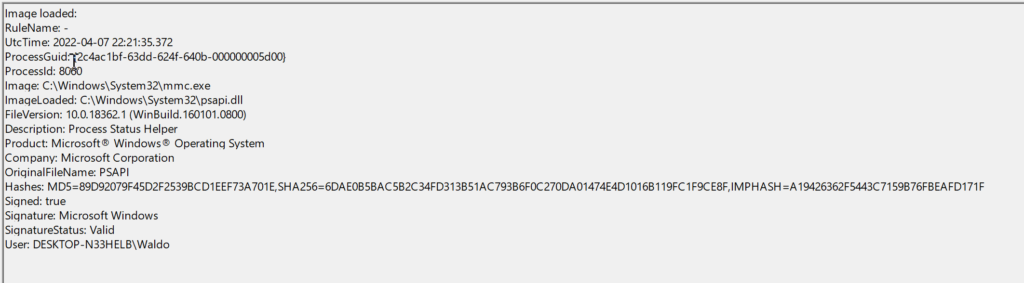
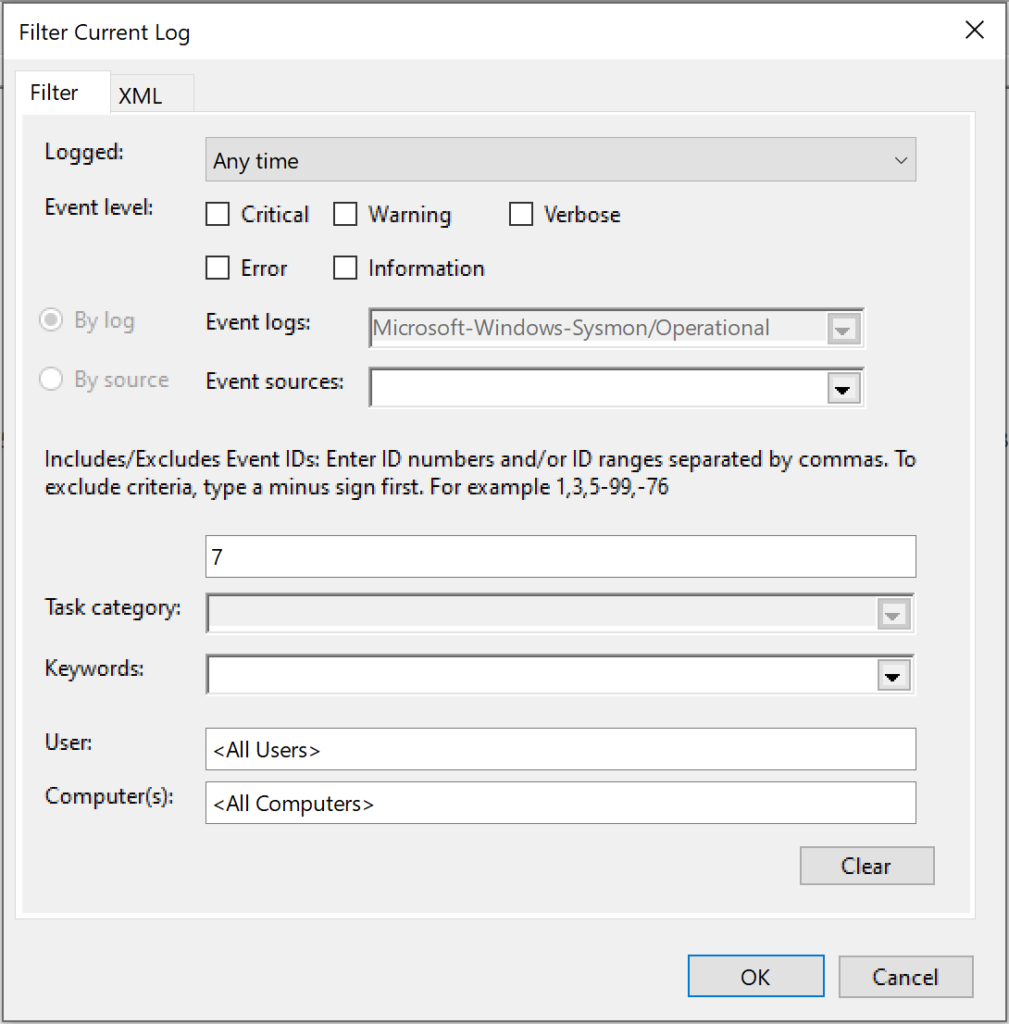
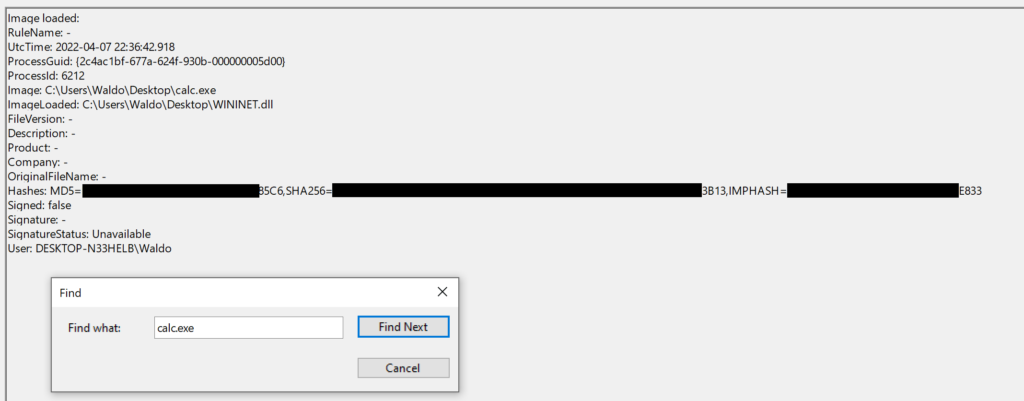
I filtered Sysmon logs for Event ID 7, then searched for calc.exe loads. I compared the malicious load vs normal system load:
Malicious PoC entry (example):
Image: C:\Users\wd\Desktop\calc.exe
ImageLoaded: WININET.dll
Signed: false
Normal entry (system):
Image: C:\Windows\System32\calc.exe
ImageLoaded: wininet.dll
Signed: true
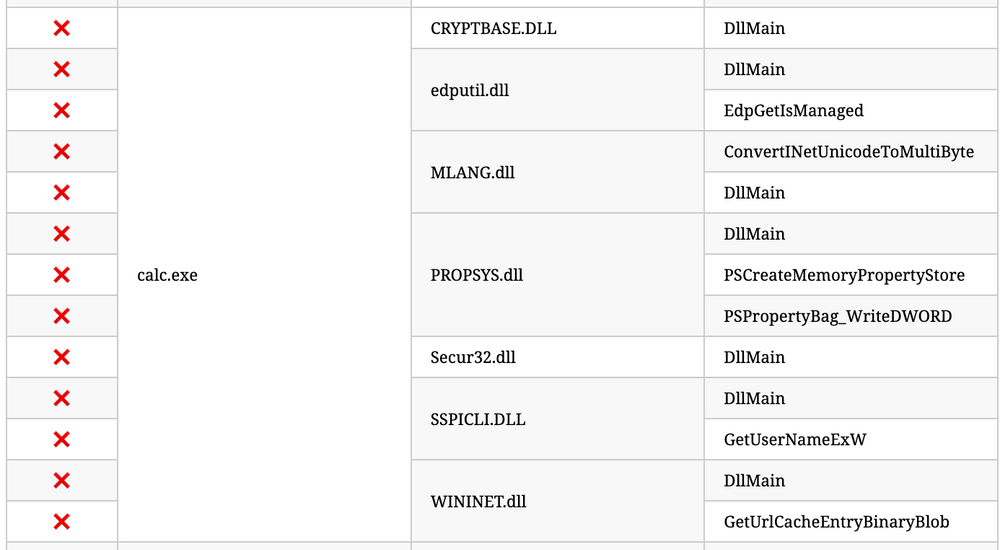
we search for instances of "calc.exe", by clicking "Find...", to identify the DLL load associated with the hijack
From this I derived consistent IOCs:
calc.exe running from a writable/non-System32 path — should not happen in normal operations.
WININET.dll (or other system DLL) loaded from non-System32 directory when parent process is a system binary — suspicious.
Unsigned DLL where the legitimate DLL is signed.
This project showcased the full lifecycle of threat detection from understanding the attack (DLL hijacking), to simulating it in a controlled lab, then collecting telemetry with Sysmon, and finally building detection logic and practical remediation steps. By modifying Sysmon’s configuration to capture Event ID 7 and analyzing the resulting logs, I learned how attackers can exploit legitimate executables and how defenders can spot those anomalies.
The exercise reinforced three key lessons:
Telemetry matters having the right logging (Sysmon in this case) makes or breaks detection.
Context is everything combining process path, DLL signing, and file location drastically reduces false positives.
Detection is only half the battle pairing IOCs with remediation guidance ensures the findings are actionable in a real SOC.
Overall, this project not only deepened my technical skills with Windows internals and Sysmon but also demonstrated my ability to turn raw log data into real-world detection rules that could be deployed in an enterprise SIEM. It’s a clear example of how I can bridge the gap between offensive techniques and defensive monitoring in cybersecurity.